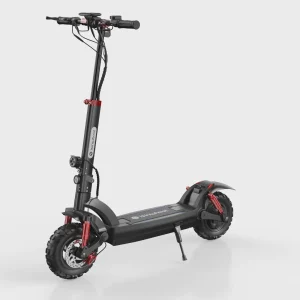
How Electric Off-Road Scooters Differ from Traditional Electric Scooters
Electric scooters have become increasingly popular as a convenient and eco-friendly mode of transportation. However, not all electric scooters are created equal. Electric off-road scooters, often designed for more rugged terrains, offer distinct differences from traditional electric scooters. In this article, we'll explore these differences in detail.
Power and Performance
Traditional Electric Scooters
Power: Traditional electric scooters typically have lower power ratings, with motors ranging from 250 to 500 watts.
Speed: They are designed for urban commuting and have average top speeds of 15-20 mph.
Efficiency: Traditional scooters are optimized for city use, providing good efficiency in urban environments.
Cost: They are generally more affordable, with prices starting at around $300.
Electric Off-Road Scooters
Power: Electric off-road scooters are built with powerful motors, often exceeding 1000 watts, to handle rough terrains.
Speed: These scooters can reach impressive top speeds of 30-50 mph, allowing for faster off-road adventures.
Efficiency: Due to their higher power output, off-road scooters may have slightly lower efficiency when used on smooth surfaces.
Cost: The increased power and rugged design of off-road scooters come at a higher price point, starting at $800 and going up significantly.
Size and Specifications
Traditional Electric Scooters
Size: Traditional scooters are compact and lightweight, with smaller wheels and a streamlined design.
Dimensions: They typically have dimensions of 40-50 inches in length and 20-30 inches in height.
Battery Life: Battery capacities range from 200Wh to 400Wh, offering a range of 10-25 miles.
Electric Off-Road Scooters
Size: Off-road scooters are more substantial in size, featuring larger wheels and a robust frame to withstand rough terrain.
Dimensions: They can measure between 60-80 inches in length and 30-40 inches in height.
Battery Life: With higher power demands, off-road scooters require larger battery packs, often exceeding 500Wh, offering a range of 20-50 miles.
Durability and Quality
Traditional Electric Scooters
Materials: Traditional scooters are constructed with lightweight materials like aluminum alloy for urban use.
Quality: While they are well-built for their intended purpose, they may not withstand the rigors of off-road riding.
Electric Off-Road Scooters
Materials: Off-road scooters prioritize durability and may incorporate rugged materials like steel and reinforced plastics.
Quality: They are engineered for resilience, capable of handling the bumps and shocks of off-road terrain.
Conclusion
Electric off-road scooters are tailored for enthusiasts seeking thrilling adventures on challenging terrains. Their superior power, durability, and larger size cater to a niche market, but they come at a higher cost compared to traditional electric scooters. Whether you choose a traditional or off-road scooter depends on your specific needs, budget, and the type of riding you plan to do.
For more information on electric off-road scooters, including troubleshooting tips and maintenance advice, you can visit this helpful resource.